

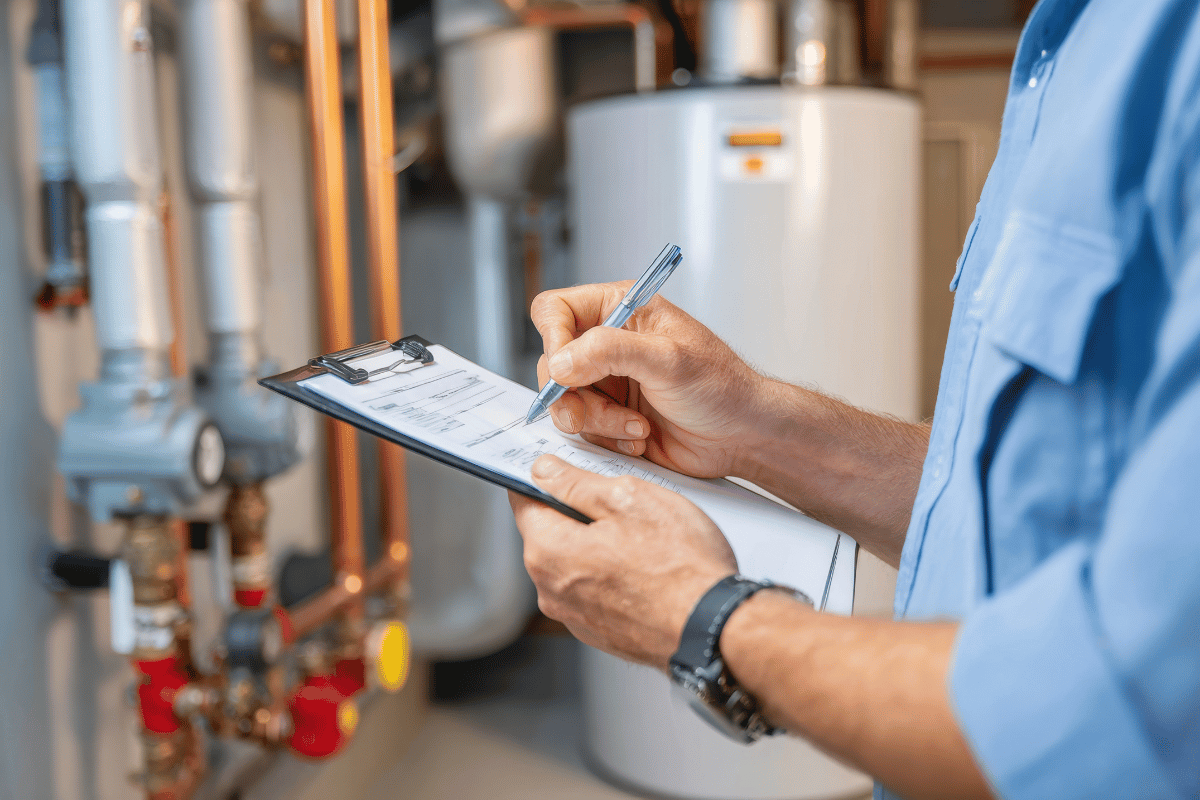
When fall arrives in El Paso, the days may still feel warm, but the evenings can get surprisingly chilly. Before temperatures drop, it is a good idea to check your heating system and make sure everything is ready for the colder months. Knowing how to prepare your furnace for fall can help you avoid unexpected breakdowns, improve energy efficiency, and keep your family comfortable when you need heat the most.
At Barrett Airworks, we know that many homeowners spend the warmer months thinking about their air conditioners instead of their heaters. However, your heating system deserves attention before you switch it on for the first time. A little preparation now can help you catch small problems before they become expensive repairs.
If you need help getting your system ready, Barrett Airworks is here to help. Call us at 915-267-0342 to schedule a heating system check and prepare your home for cooler weather.
Get Your Heating System Ready Before Temperatures Drop
You do not have to wait until the first cold night to think about your heater. Taking a few simple steps in early fall gives you time to address problems before you depend on your system every day.
Here are 10 important things El Paso homeowners should do before turning on their heaters.
1. Replace Your Air Filter
One of the easiest ways to prepare your heating system is to check your air filter. During the summer, dust and other particles can build up in the filter, restricting airflow and making your system work harder.
A dirty filter can reduce efficiency, affect indoor air quality, and contribute to heating problems. Check your filter before turning on your heater and replace it if it looks dirty. Most standard filters need replacement every one to three months, although the right schedule depends on the filter type, household conditions, and manufacturer recommendations.
In El Paso, where dust can be a regular concern, checking your filter often is especially helpful. Homes with pets or frequent indoor activity may need more frequent replacements.
2. Check Your Thermostat
Your thermostat tells your heating system when to turn on and off. If it is not working correctly, your home may feel uncomfortable even when the heater itself is in good condition.
Before colder weather arrives, switch your thermostat to heat mode and set the temperature a few degrees above the current room temperature. Give the system a few minutes to respond.
Check that the display works, the batteries are fresh if needed, and the thermostat is set to a comfortable temperature. If you have a programmable or smart thermostat, review its schedule to make sure it matches your household’s routine.
If the heater does not respond or the temperature reading seems inaccurate, an HVAC professional can help determine whether the thermostat or another component needs attention.
3. Clear Vents and Air Returns
Your heating system needs proper airflow to distribute warm air throughout your home. Walk through each room and make sure supply vents and return air grilles are not blocked by furniture, curtains, rugs, or storage boxes.
Dust the vent covers and remove visible debris. If some rooms consistently feel colder than others, blocked vents could be part of the problem, although ductwork issues or equipment problems may also be responsible.
Avoid closing multiple vents to force more heat into other rooms. Doing so can interfere with airflow and place unnecessary strain on some heating systems.
Keeping vents clear is a simple way to help your heater distribute warmth more evenly.
4. Inspect Your Furnace and Surrounding Area
Before turning on your furnace, take a look at the area around it. Keep the space clean, dry, and free of clutter, especially anything that could create a fire hazard.
Check for visible damage, loose panels, water around the equipment, or unusual signs of wear. Do not remove equipment panels or attempt to inspect internal electrical or gas components yourself.
For gas furnaces, keep combustible materials away from the unit and make sure the area has the required clearances listed by the manufacturer.
If you notice a damaged component, a strong unusual odor, or anything that looks unsafe, leave the system off and contact a qualified professional.
5. Check Your Carbon Monoxide Detectors
Carbon monoxide safety should be part of every home’s fall preparation routine, especially if you use a gas furnace.
Carbon monoxide is an odorless, colorless gas that can be dangerous when it builds up indoors. Working carbon monoxide alarms provide an important layer of protection.
Before heating season, test your alarms according to the manufacturer’s instructions. Replace batteries when needed, and replace expired units. Follow local requirements and manufacturer guidance for alarm placement, including areas near sleeping spaces.
Never assume that a furnace is safe simply because it turns on and produces heat. Professional maintenance helps identify certain equipment problems, while carbon monoxide alarms provide an additional safety measure.
If a carbon monoxide alarm sounds, leave the home immediately and call emergency services from outside.
Need help preparing your heater? Barrett Airworks can help you identify potential heating concerns before the coldest nights arrive. Call 915-267-0342 to discuss your heating system and schedule professional service.
6. Examine Outdoor Vents and Exhaust Pipes
Some heating systems have outdoor intake or exhaust openings that must remain clear to operate safely. Look for leaves, dirt, nests, or other debris around accessible openings.
Make sure exhaust pipes and intake vents are not blocked or damaged. Do not climb onto a roof or dismantle venting equipment to perform this check. If an opening is difficult to reach or you suspect a blockage, have an HVAC professional inspect it.
Blocked venting can interfere with proper operation and may create serious safety concerns for certain systems. Keeping these areas clear helps support safe, reliable heating.
7. Listen for Unusual Sounds
When you test your heater, pay attention to how it sounds. Some noise during startup is normal, but new or unusual sounds should not be ignored.
Banging, grinding, squealing, persistent rattling, or repeated clicking may indicate a mechanical or electrical problem. The cause can vary, so it is best not to guess or attempt repairs without the right training.
Also watch for repeated shutdowns, weak airflow, or a system that runs continuously without warming your home.
If something seems different from normal operation, turn the system off if it is safe to do so and arrange a professional inspection.
8. Schedule Professional Heating Maintenance
Even if your heater appears to work properly, routine professional maintenance can help identify developing issues before the heating season gets busy.
A technician can examine important components, check system operation, and look for signs of wear that may not be obvious to a homeowner.
A heating system inspection checklist for El Paso homeowners should include the filter, thermostat, airflow, visible venting, safety controls, and any unusual operating symptoms. A professional inspection can go further by evaluating the equipment according to its type and manufacturer requirements.
Maintenance needs vary between gas furnaces, electric furnaces, heat pumps, and other heating systems. Having the right service performed for your specific equipment can support dependable operation and help you plan for future repairs.
9. Check Your Energy Bills and Heating Performance
Your previous energy bills can offer clues about how efficiently your heating system is operating. If your utility costs increased unexpectedly last winter, it may be worth investigating before you start using the heater again.
Look for patterns such as higher energy use, uneven temperatures, or longer heating cycles. These symptoms do not automatically mean your system is failing, but they can point to issues worth checking.
You can also inspect accessible weatherstripping around doors and windows. Sealing drafts and improving insulation where needed can help keep warm air inside and reduce unnecessary heating demand.
Remember that energy bills also depend on weather, thermostat settings, utility rates, and household habits. Consider these factors when comparing one month or season with another.
10. Test Your Heater Before the First Cold Night
The final step is to test your heating system before you truly need it. Choose a mild day when you can comfortably open a window if necessary, and follow the manufacturer’s operating instructions.
Set the thermostat to heat and confirm that the system starts, warm air reaches the rooms, and the unit shuts off normally when the temperature setting is satisfied. Allow time for the system to begin heating, since some equipment has a startup delay.
A brief dusty smell can occur when dust accumulated during the warmer months burns off the heat exchanger or heating elements. However, a persistent burning smell, smoke, unusual gas odor, or signs of electrical trouble should never be ignored.
If you smell gas, do not operate electrical switches or attempt to restart the system. Leave the home and contact your gas utility or emergency services from a safe location.
Testing early gives you time to schedule repairs rather than discovering a problem when temperatures are at their lowest.
Make Fall Heating Preparation Part of Your Routine
Preparing your heater does not have to be complicated. Many of the most useful steps involve simple visual checks, replacing a filter, and testing your thermostat. Other tasks, such as inspecting internal components and verifying safe operation, should be left to trained HVAC technicians.
When reviewing the things to check before turning on your furnace for winter, keep these priorities in mind:
- Replace dirty filters and keep vents clear to support proper airflow.
- Test your thermostat and safety alarms before regular heating begins.
- Look for unusual sounds, smells, or performance changes when testing the system.
- Schedule professional maintenance if your equipment needs inspection or has shown signs of trouble.
These steps can help you feel more confident about using your heater and give you an opportunity to address concerns early.
At Barrett Airworks, we understand that El Paso weather can change quickly. Preparing ahead of time helps you avoid unnecessary stress and focus on keeping your household comfortable.
When you need dependable heating services in El Paso, turn to Barrett Airworks for help preparing your system for fall and winter. Call 915-267-0342 to schedule service or discuss your heating concerns.
We are here to help you get ready for the season and keep your home comfortable when cooler weather arrives.